On Location – Nevada
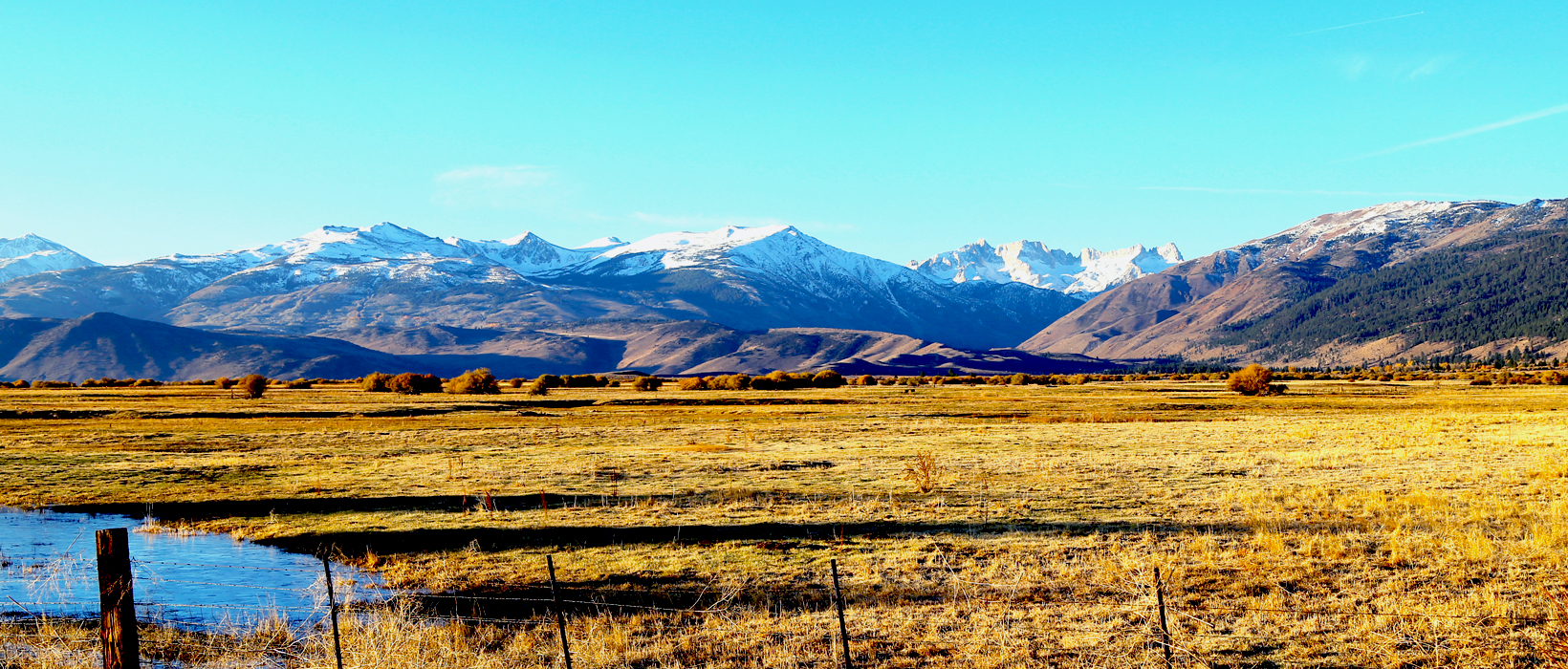
An on-location photoshoot through Nevada offers a striking variety of landscapes and moods, perfect for creating a dynamic and visually rich portfolio. From the otherworldly rock formations of Valley of Fire to the vast, empty stretches of desert along Highway 50—known as “The Loneliest Road in America”—Nevada provides endless opportunities for dramatic composition. Ghost towns, dry lake beds, neon-lit motels, and rugged mountain ranges add texture and story to every frame. The shifting light, especially during golden hour, enhances the raw, untamed beauty of the state, creating powerful contrasts and deep shadows. Whether shooting fashion, lifestyle, or conceptual art, Nevada’s expansive and often surreal backdrop brings a sense of freedom, mystery, and adventure to any visual narrative.


History
Nevada, admitted as the 36th state of the United States on October 31, 1864, has a rich and complex history shaped by indigenous cultures, mining booms, and political strategy. Originally inhabited by Native American tribes such as the Paiute, Shoshone, and Washoe, the area became part of the U.S. after the Mexican-American War in 1848. Nevada gained prominence during the mid-19th century with the discovery of the Comstock Lode in 1859, one of the richest silver deposits in the world, which fueled rapid settlement and economic growth. Its early statehood was accelerated during the Civil War to bolster President Lincoln’s reelection and to ensure additional support for the Union. Often called the “Battle Born State” for this reason, Nevada later reinvented itself with the legalization of gambling in 1931 and the rise of Las Vegas, becoming a major hub for entertainment, tourism, and innovation in the American West.


Dust and Light — A Road Trip Across Nevada
It began with a map, a loose plan, and a full tank of gas. Nevada stretched out before me like a sun-bleached canvas—wide, wild, and full of stories buried under sand and silence. This wasn’t just a photoshoot. It was a pilgrimage. I was chasing light, texture, and the kind of quiet only found in places too forgotten to bother pretending.
I left Reno at dawn, the city just waking as I passed under the neon arch one last time. My route cut southeast, skirting the edges of ghost towns, salt flats, and long stretches of nothing. But that’s the thing about Nevada—its emptiness is deceptive. It’s alive in ways you don’t expect.
I hit Tonopah before noon. The Clown Motel loomed weird and wonderful, all sun-faded paint and unsettling charm. I spent more time at the cemetery next door. My camera loved it—tilted headstones, iron fences rusted into lace, and names nearly worn away by wind. Every photo felt like a whisper.
Goldfield was the real surprise. Half-living, half-dead. Murals peeling off buildings. A diner with the best damn pie I’ve ever eaten. I met a man who showed me the inside of an old hanger. The hanger was gutted, but a shaft of light came in through the broken roof and caught on a pile of dusty desks. I shot fast, before it shifted.
I reached Rhyolite by golden hour. Perfect timing. The ruins were ghostly in the low light—the bottle house, the crumbling bank, and the last standing walls of the old train depot, built in 1906. I caught the sun slipping behind the sculpture garden, where ghostly figures stood frozen in fiberglass. The shadows made them feel like they might move if you looked away.
I ended the trip with a loop around to Hoover Dam just before 10:00 PM—my final shot. I stood at the edge with a wide-angle lens, capturing the curve of the dam under the moonlight. Concrete and stars. History and stillness. One last frame for the road.